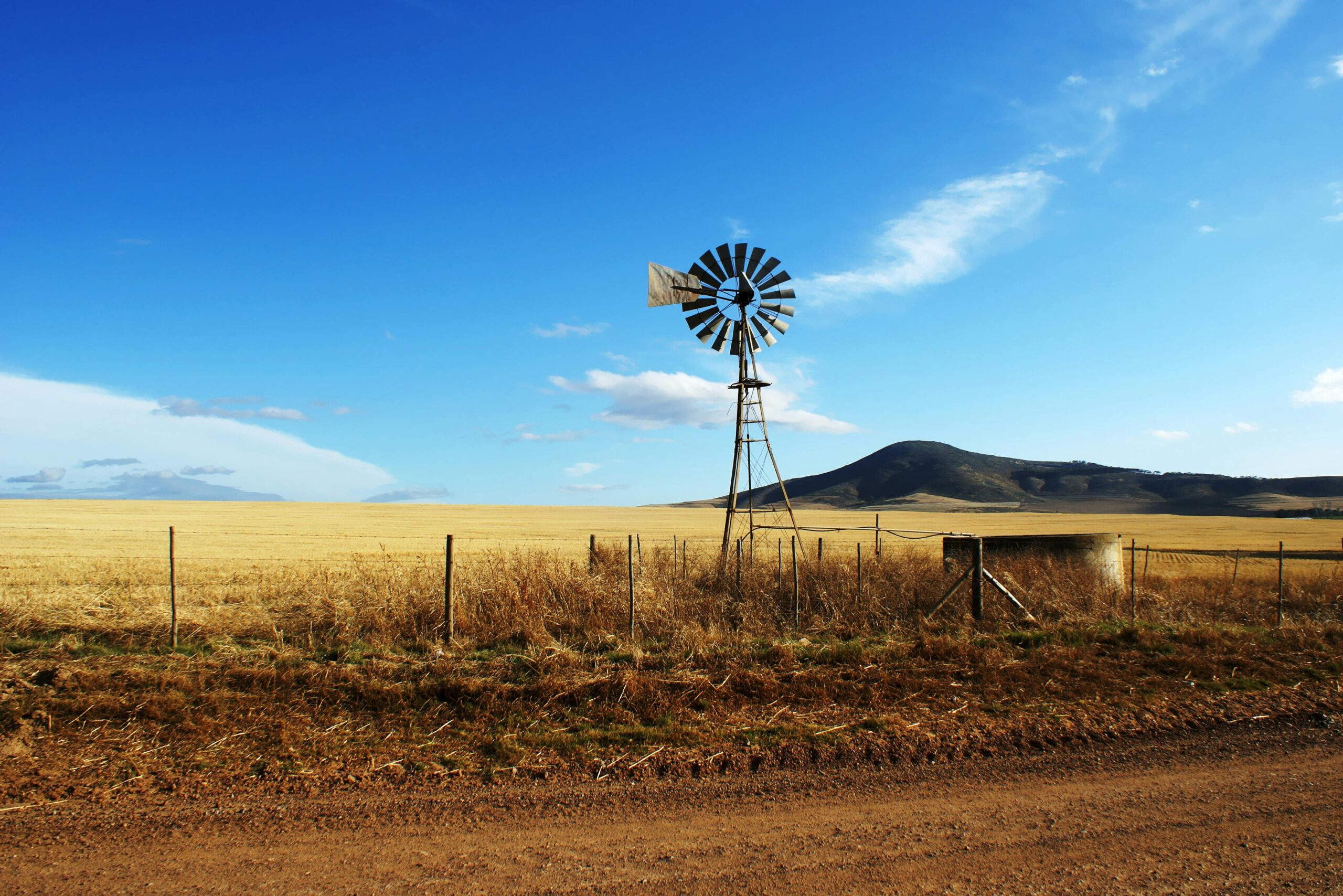
Key Vulnerabilities Rain-fed production dominates in many regions, leaving farmers highly exposed to rainfall variability and drought. Soil erosion and land degradation reduce fertility and water-holding capacity, while rising temperatures increase heat stress on both crops and livestock. Warmer conditions also expand the range and activity period of agricultural pests and diseases, increasing management costs.
Priority Risks & Impacts Climate shocks can reduce yields and quality (e.g., staple grains and high-value fruit), disrupt harvests and storage, and raise input costs for irrigation and pest control. Livestock productivity declines under heat stress, with knock-on effects for food security and incomes. Plantation forestry faces escalating wildfire risk and supply interruptions that affect downstream value chains.
Biodiversity Ecosystems
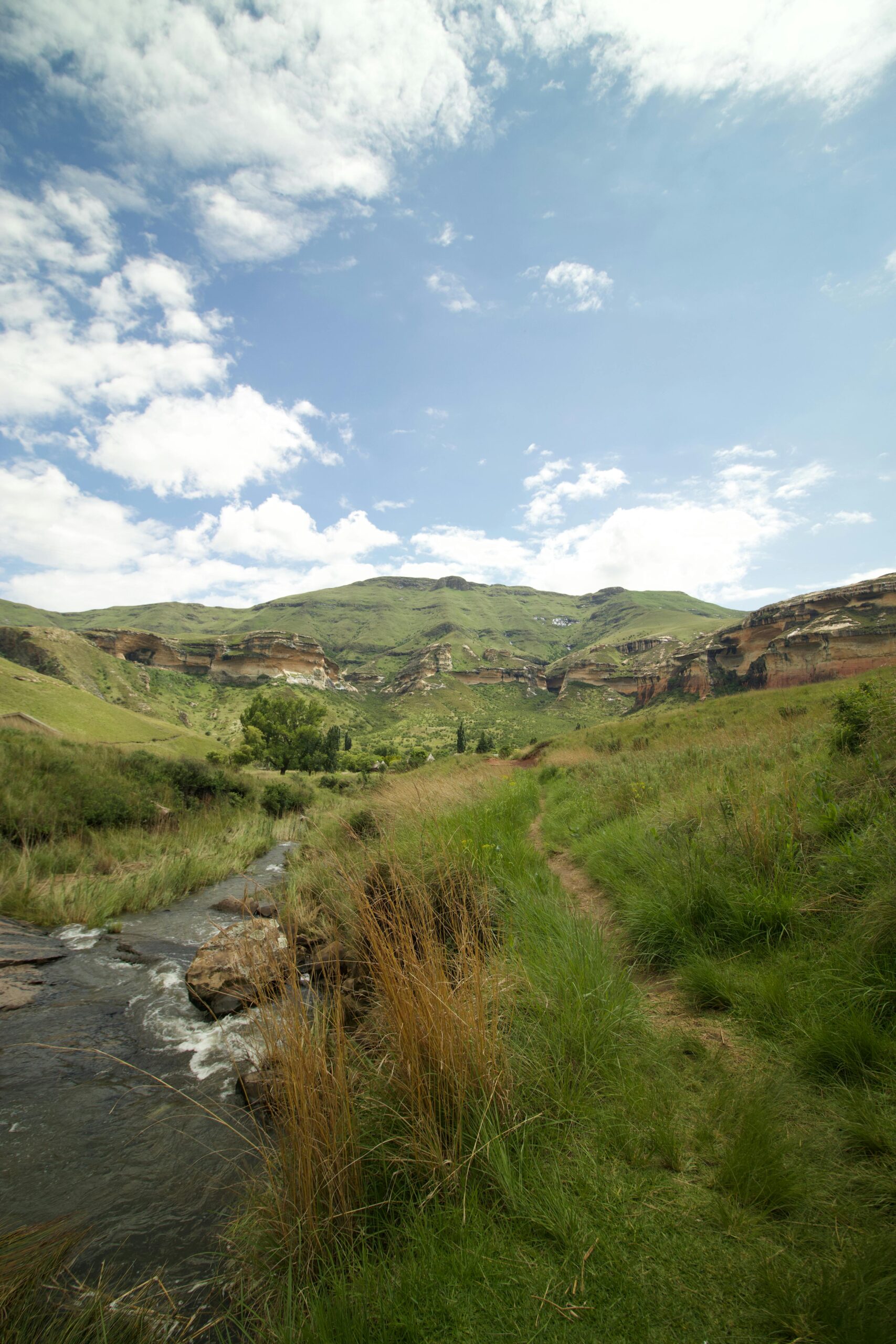
Key Vulnerabilities Habitat loss and fragmentation limit species’ ability to track suitable climates, while invasive species and land-use pressures erode ecosystem resilience. Freshwater ecosystems—rivers, wetlands, estuaries—are stressed by altered flows, pollution and rising temperatures, compounding existing management challenges.
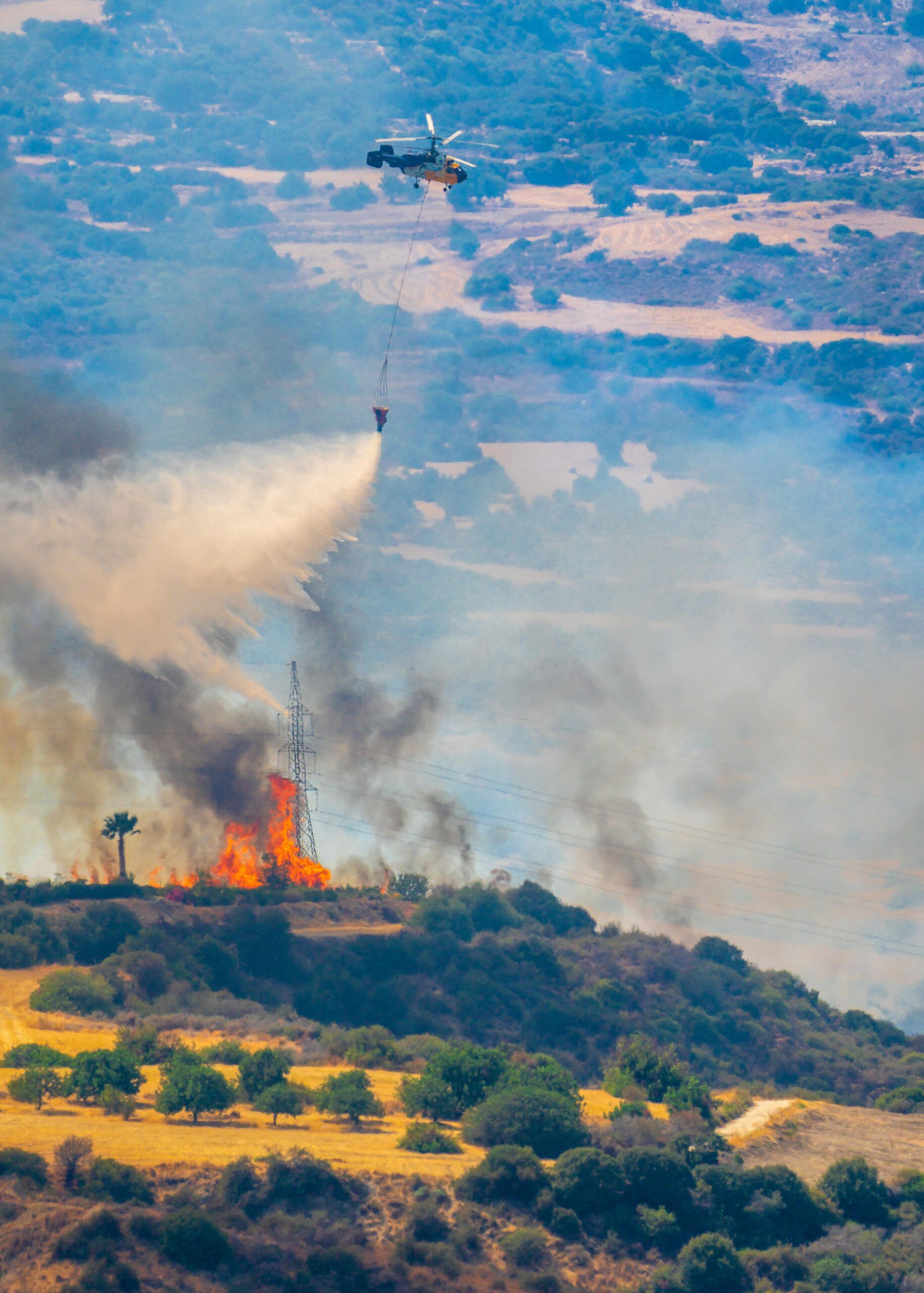
Priority Risks & Impacts Biomes and species ranges shift, increasing local extinction risk and altering ecosystem services such as pollination, water purification and carbon storage. More frequent and intense fires, droughts and floods reshape landscapes and rangelands (including bush encroachment), with consequences for livelihoods and conservation goals.
Health
Key Vulnerabilities Public health systems face resource constraints and uneven access to safe water and sanitation, particularly in informal and peri-urban settlements. Exposure to heat and air pollution disproportionately affects children, the elderly and those with chronic conditions.
Priority Risks & Impacts Heatwaves increase heat-related illness and mortality, while extreme weather disrupts health facilities and supply chains. Warmer, wetter conditions can expand vector-borne and water-borne disease risks. Mental health burdens may rise following repeated climate shocks and displacement.
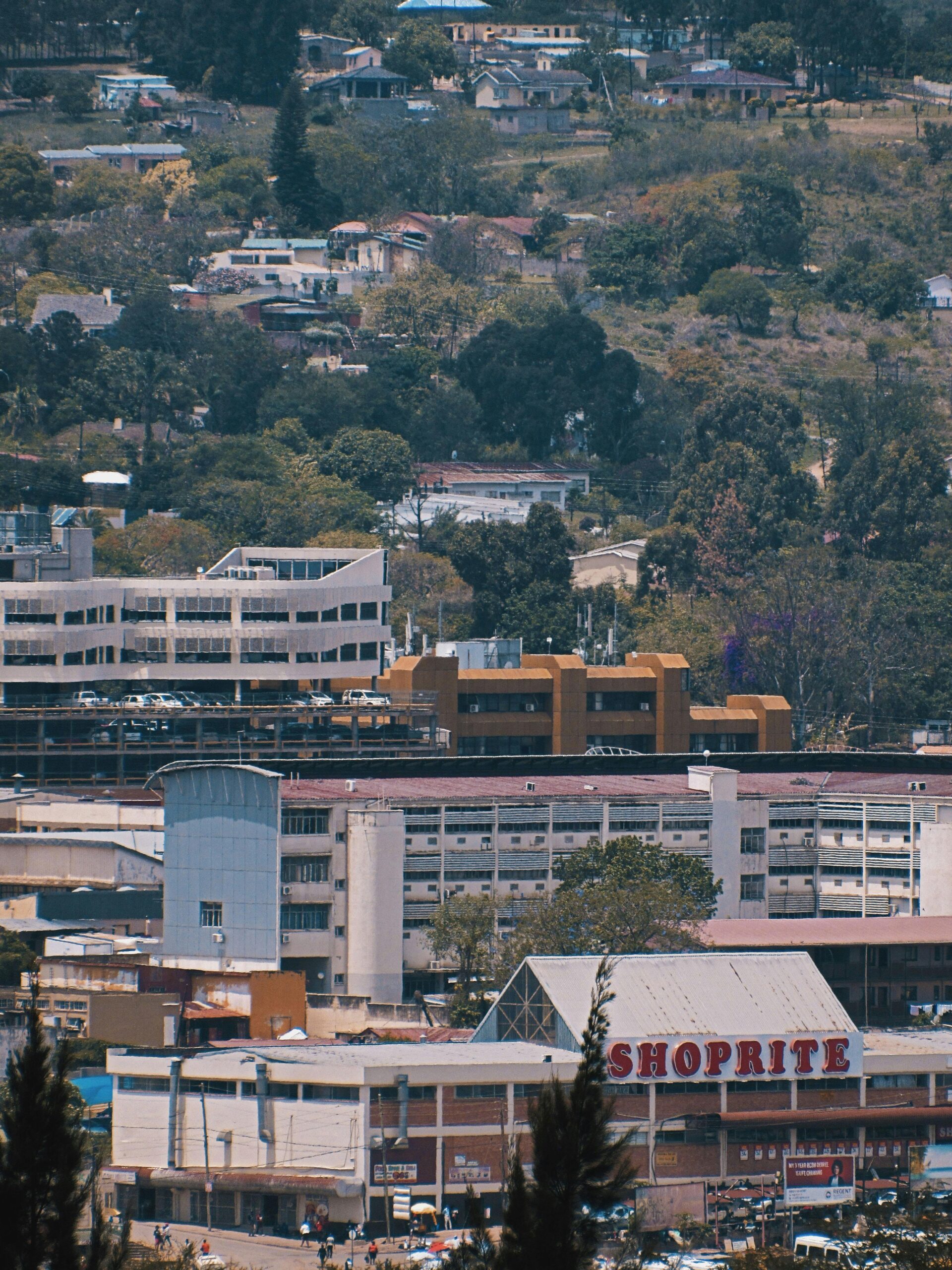
Human Settlements & Infrastructure
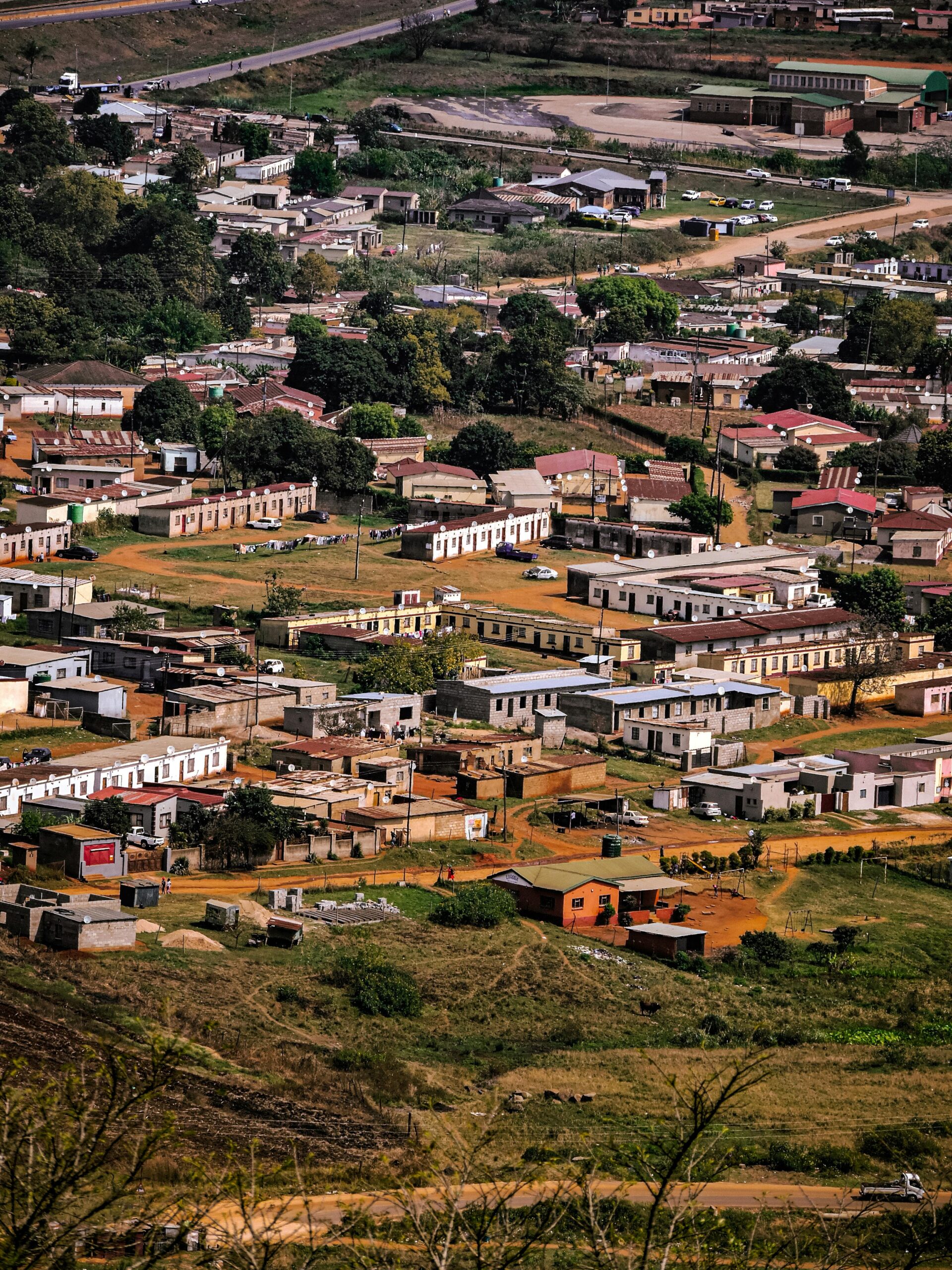
Key Vulnerabilities Rapid urbanisation often outpaces service delivery and risk-sensitive planning, pushing growth into floodplains, steep slopes and coastal zones. Ageing or under-maintained infrastructure is vulnerable to extreme weather and compound hazards.
Priority Risks & Impacts Floods, storms and fires damage housing, roads, bridges, drainage and utilities, causing costly outages and recovery needs. Droughts strain water supply systems and increase service disruptions. Coastal erosion and sea-level rise threaten cities and ports, raising adaptation and maintenance costs.
Water
Key Vulnerabilities A highly variable climate, rising demand and deteriorating water quality increase systemic stress on water supply and sanitation. Catchments with degraded vegetation and soils are less able to buffer intense rainfall and drought.
Priority Risks & Impacts Reduced runoff and higher evaporation threaten reliable supply, while intense rainfall elevates flood and infrastructure damage risks. Water quality declines (including algal blooms and pollutant runoff) raise treatment costs and health risks where sanitation is inadequate.
Coastal & Marine
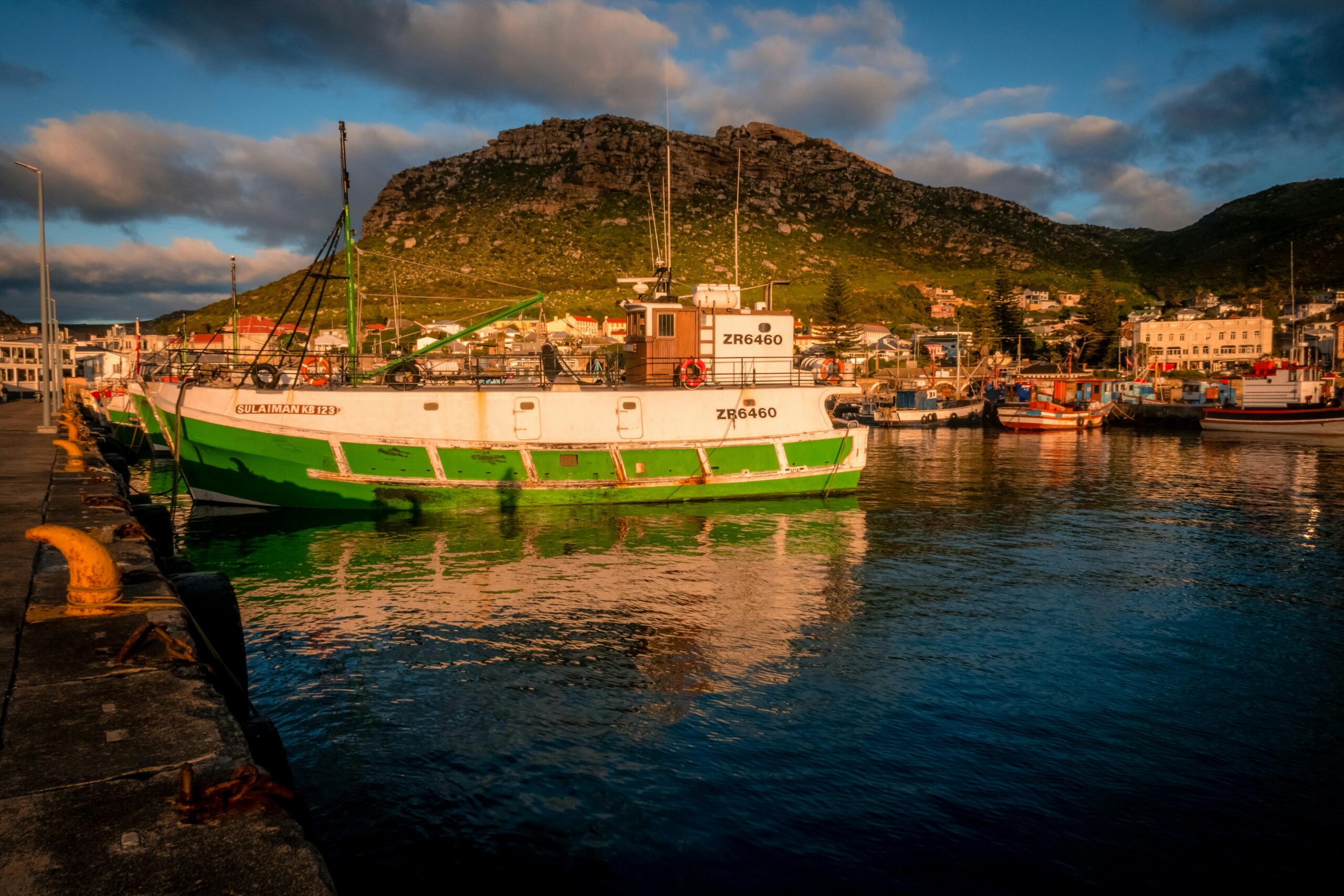
Key Vulnerabilities Sea-level rise, storm surge and coastal erosion intersect with dense populations and high-value assets along the shoreline. Natural buffers—dunes, estuaries and coastal vegetation—are often degraded or physically constrained.
Priority Risks & Impacts More frequent coastal flooding and erosion damage property, tourism assets, transport links and port operations. “Coastal squeeze” leads to land loss and ecosystem degradation, increasing municipal burdens for protection and recovery. Risk-based adaptation, protection of natural defenses and climate-ready infrastructure become urgent.
.
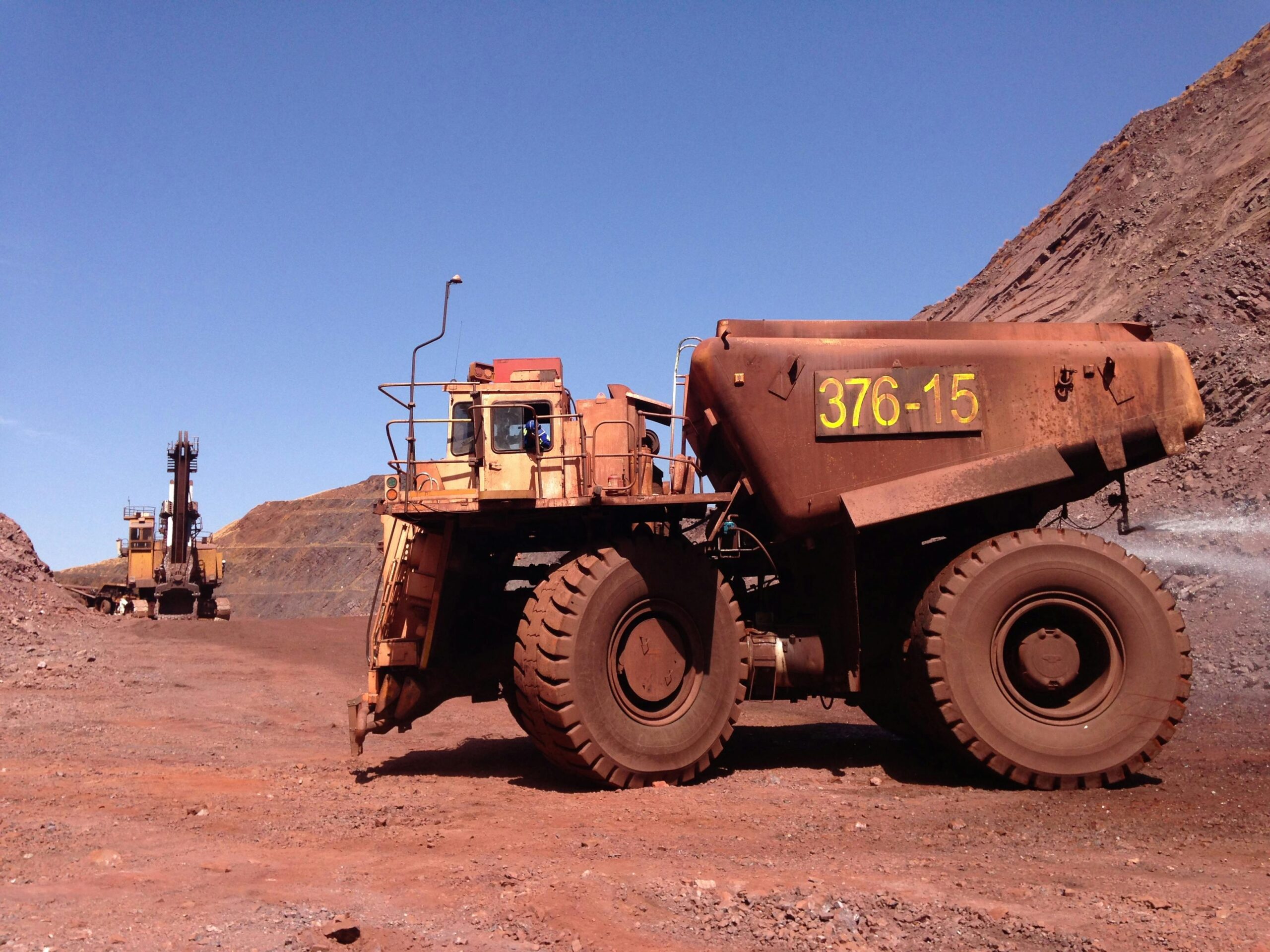
Mining
Key Vulnerabilities High water and energy dependence, large fixed assets and exposure to heat and flood hazards elevate operational risk.
Priority Risks & Impacts Flooding, heat and power/water interruptions disrupt production and logistics, raise costs and increase safety incidents. Transition and regulatory pressures add strategic risk for long-lived investments.
Infrastructure
Key Vulnerabilities Linear networks cross multiple hazard zones and depend on exposed nodes such as bridges, interchanges and ports.
Priority Risks & Impacts Floods, fires, landslides and storm surge damage assets and interrupt critical supply chains. Maintenance backlogs and coastal exposure drive up lifecycle costs without resilience upgrades.
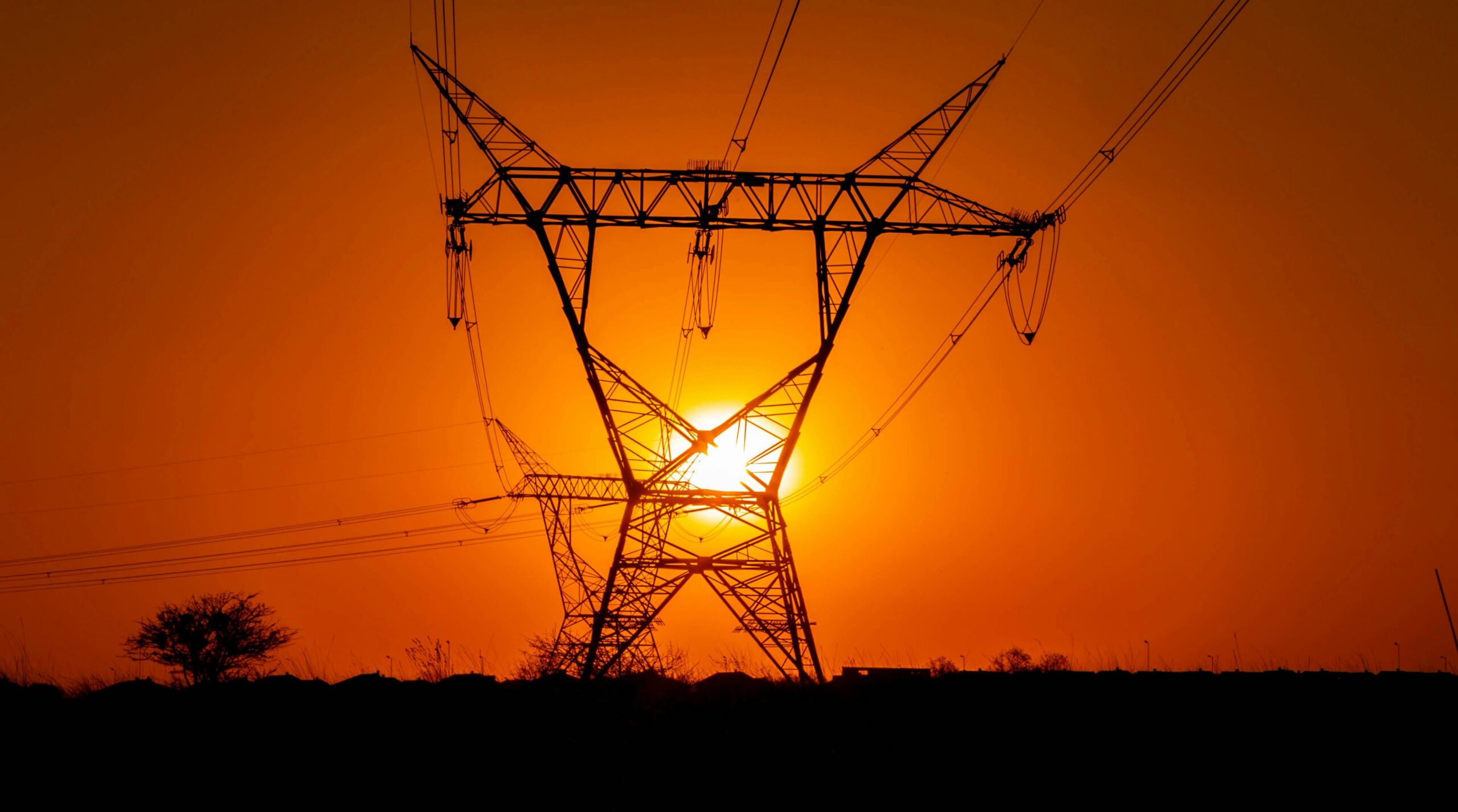
Energy
Key vulnerabilities Thermal generation relies on secure cooling water; grids are sensitive to heat and storm damage. Expanding renewables require climate-robust siting and design.
Priority Risks & Impacts Heat and extreme weather reduce generation efficiency and grid reliability, increasing outage risks. Asset hardening, diversified sources and climate-aware planning reduce system vulnerability.
Tourism
Key Vulnerabilities Tourism assets—coasts, protected areas, cultural sites—are sensitive to heat, drought, floods and erosion. Visitor demand can shift with perceived risk and environmental degradation.
Priority Risks & Impacts Damage to attractions and access routes reduces visitation and local incomes. Adaptation focuses on protecting key sites, managing water stress and diversifying products and seasons.
Disaster Risk Reduction
Key Vulnerabilities Intersecting climate hazards, poverty, and infrastructure gaps create compound risks, particularly in informal settlements and coastal cities.
Priority Risks & Impacts More frequent and severe events elevate humanitarian and fiscal burdens. Strengthening early warning, emergency preparedness, land-use control, building standards and nature-based buffers reduces systemic risk and recovery costs.
Download Detailed Documents
Sector Vulnerabilities Report
Full overview of climate hazards and sectoral vulnerabilities across South Africa.